Cell therapy protocol designer
Enterprise medical software for cell therapy manufacturing
- Role
- Product & UX Lead
- Duration
- 3 to 4 months
- Product
- Protocol authoring and configuration software
- Focus
- Systems design, risk reduction, regulated enterprise workflows
Overview
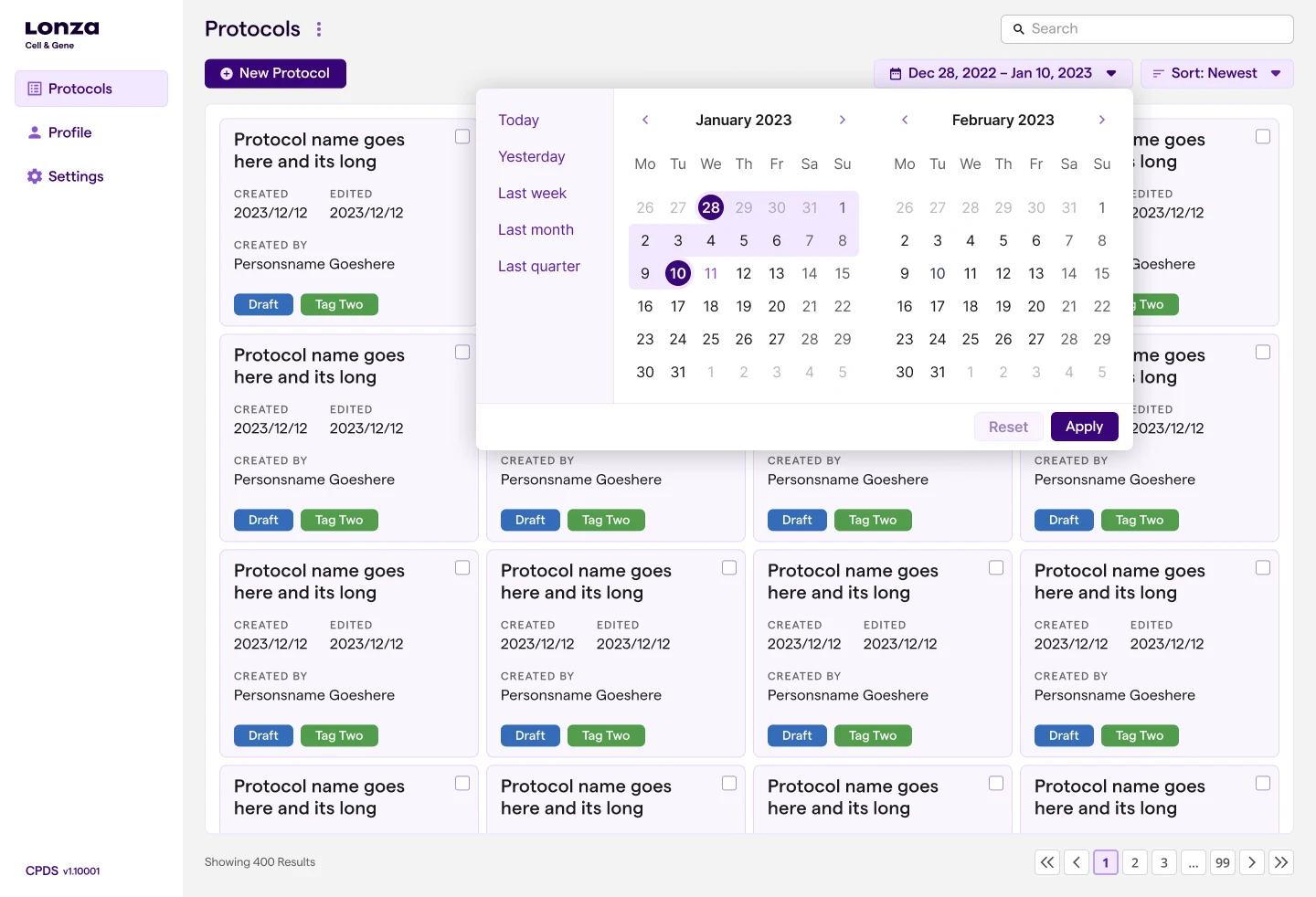
The protocol designer is an enterprise application for configuring and managing the protocols that run on medical manufacturing devices.
At Strata, I led the redesign of the legacy protocol-authoring system. It had become hard to use, slow to configure and increasingly risky in regulated production. The work began after a former VP I had worked with joined the client and saw it needed a UX reset from the ground up.
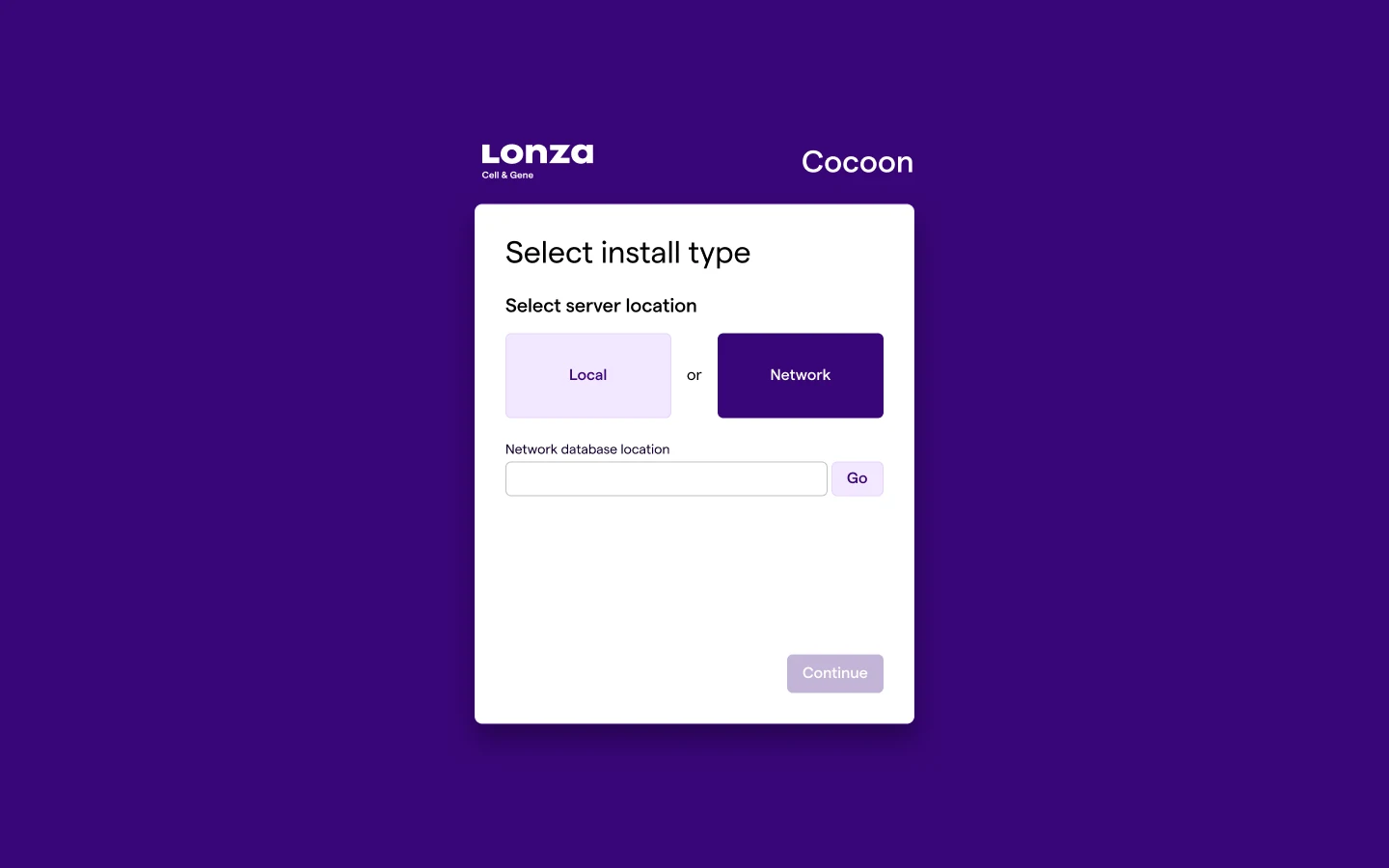
One constraint shaped everything: the existing system had to keep running on live instruments. The new experience had to map cleanly onto the established workflows and underlying logic, and still be much easier and faster to use.
Problem
The legacy designer caused real operational problems:
- Tools were fragmented and workflows inconsistent
- Too much manual, repeated configuration
- It was hard to see a protocol's structure and dependencies
- Complex setup meant a lot to keep in your head
- Little validation or feedback, so errors were more likely
Cell therapy manufacturing is regulated, so a usability problem is an operational risk.
Key decision
I kept the system's logic and changed how people see it.
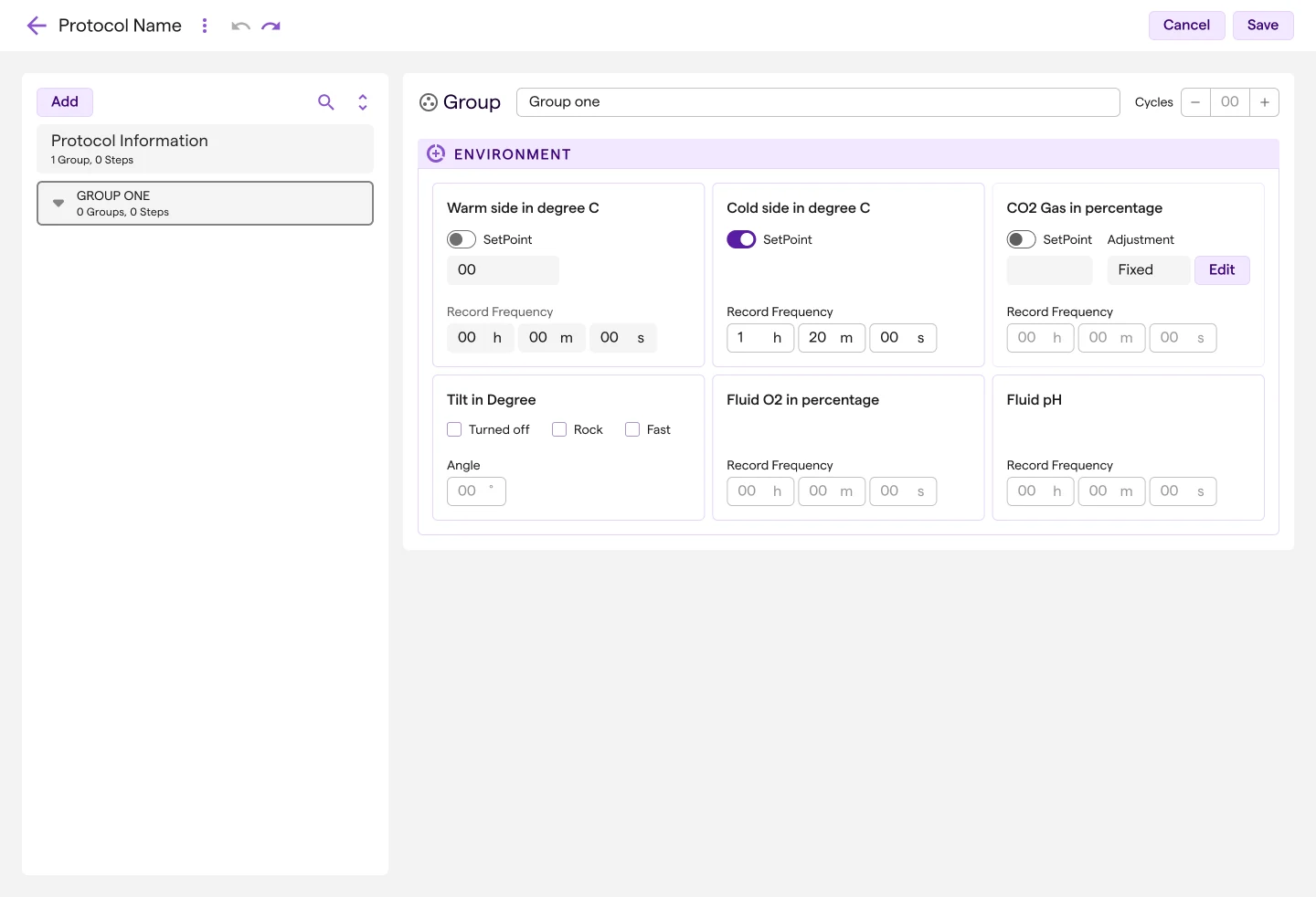
The software had to keep running on live instruments, so the underlying logic and the established workflows could not change. I put the effort into structure: one authoring screen in place of several tools, steps shown in order with their dependencies, and validation that appears early.
Approach
The redesign had to make the system clearer without disturbing workflows that already worked. The principles:
- Understand the domain deeply before proposing structural change
- Respect the existing architecture and its constraints
- Lighten the mental load with better structure and feedback
- Show validation and errors early and plainly
I worked in rounds, proving structure and logic before any visual polish.
Solution
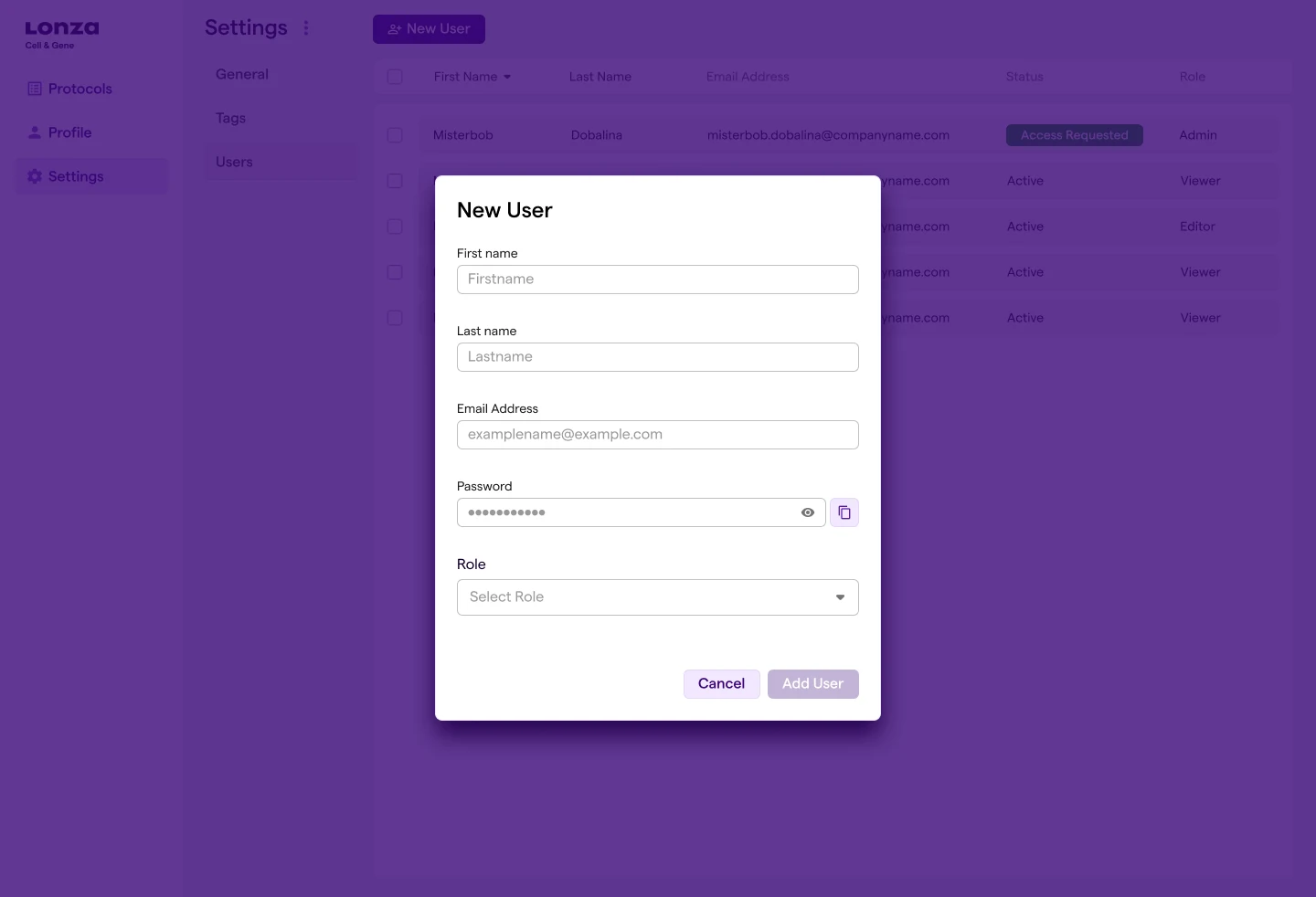
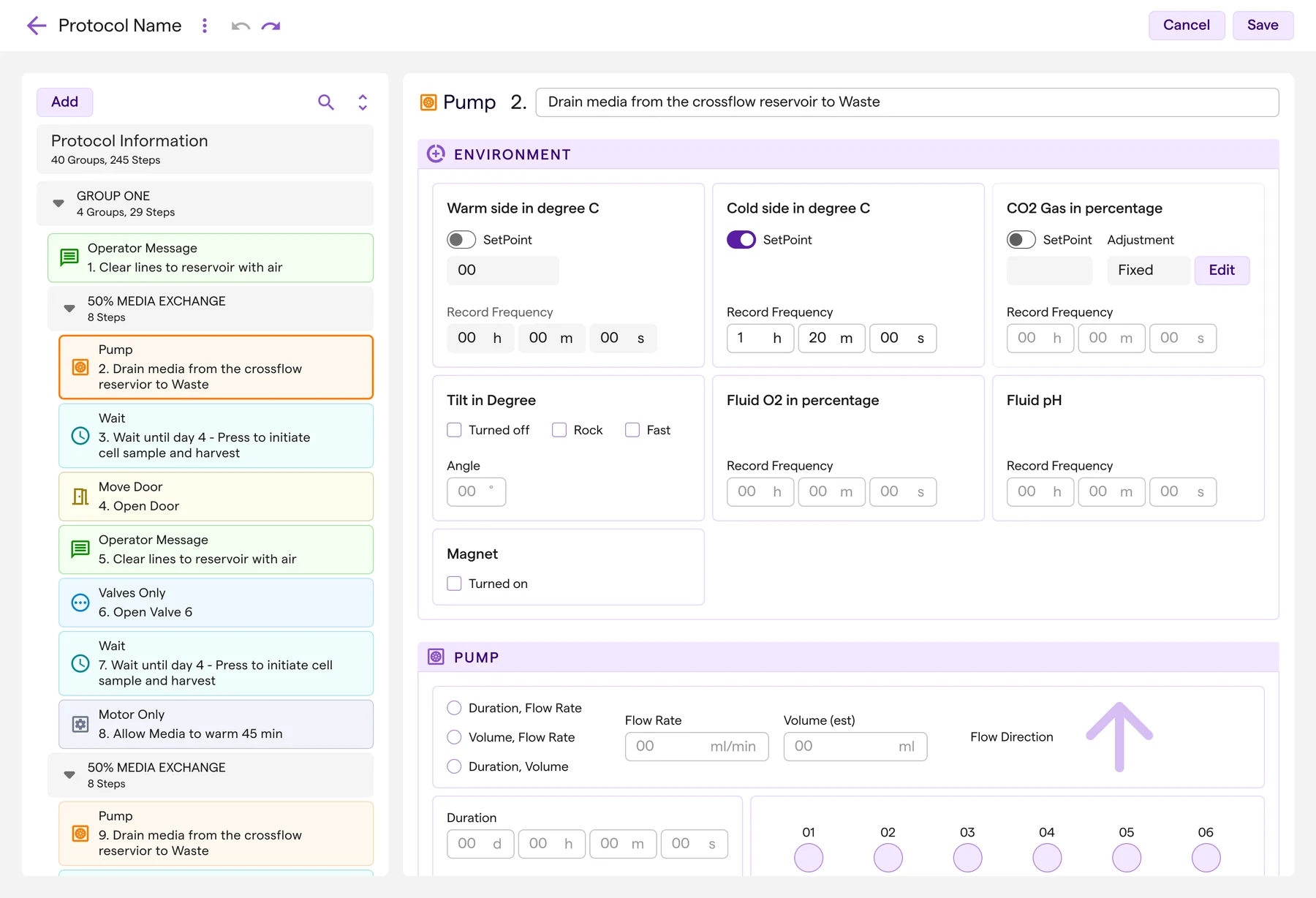
We designed one protocol authoring experience to replace the fragmented tools.
Workflow and structure
- Simpler protocol hierarchies
- Clear sequencing and dependencies
- Advanced configuration revealed only when it is needed
Validation and error handling
- Explicit validation states
- Error messages tied to the protocol logic
- Less reliance on knowing how the system works underneath
Interaction and prototyping
- Low-fidelity wireframes to test structure and flow
- High-fidelity designs and interactive prototypes
- Realistic scenarios tested before development was committed
Stakeholders could run complex workflows from start to finish in the prototypes, which cut the risk later on.
Outcome
- The client estimated the new system could save days of work per protocol
- The client awarded us the full development contract
- The engagement grew into a multi-year partnership
- Users reported shorter setup times and fewer errors
- Critical configuration mistakes became less likely
- The system is in production and still being refined
Discuss this case study with you?
I'd be happy to walk through this project in more detail and discuss how this approach might apply to your needs.