Cell therapy cloud platform
Web-based platform for cell therapy operations
- Role
- Lead Product Designer
- Duration
- 6 months
- Product
- Web application
- Focus
- MVP definition, end-to-end product design, delivery readiness
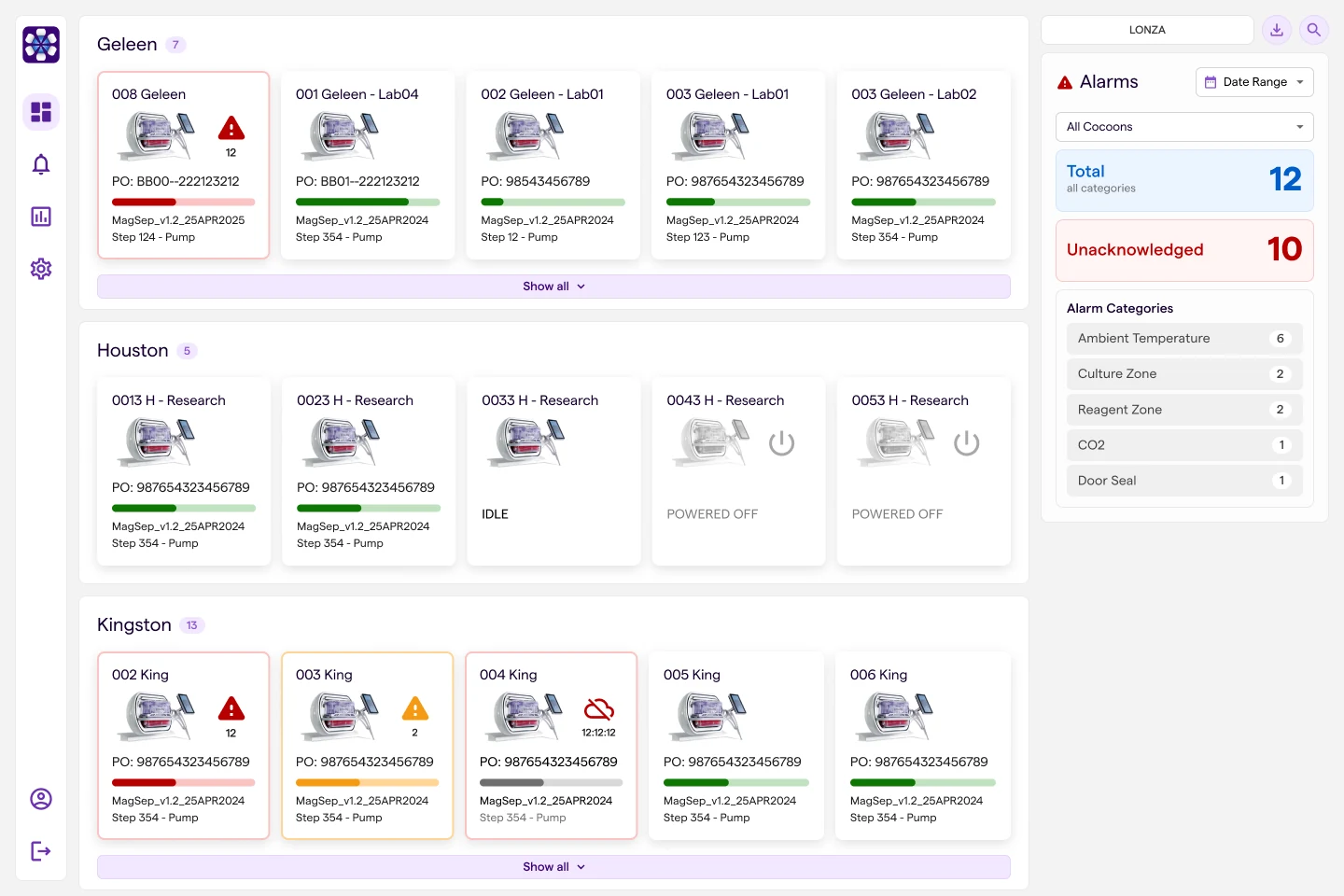
Overview
The cloud platform is a web application that supports day-to-day operations in a cell therapy environment.
At Strata, I was the lead product designer. My job was to define the MVP, get stakeholders agreed on scope and priorities, and deliver a design an external engineering team could build from. The work ran for six months, and getting clear early was what kept it moving.
Problem
The product was at an early stage. The goals were high level, and the scope, the workflows and the order of work were unclear:
- The MVP requirements were not defined
- Stakeholders held different assumptions about priorities
- An external development team needed precise, unambiguous design direction
Without a disciplined design process, scope would drift, people would pull in different directions and delivery would slip.
Key decision
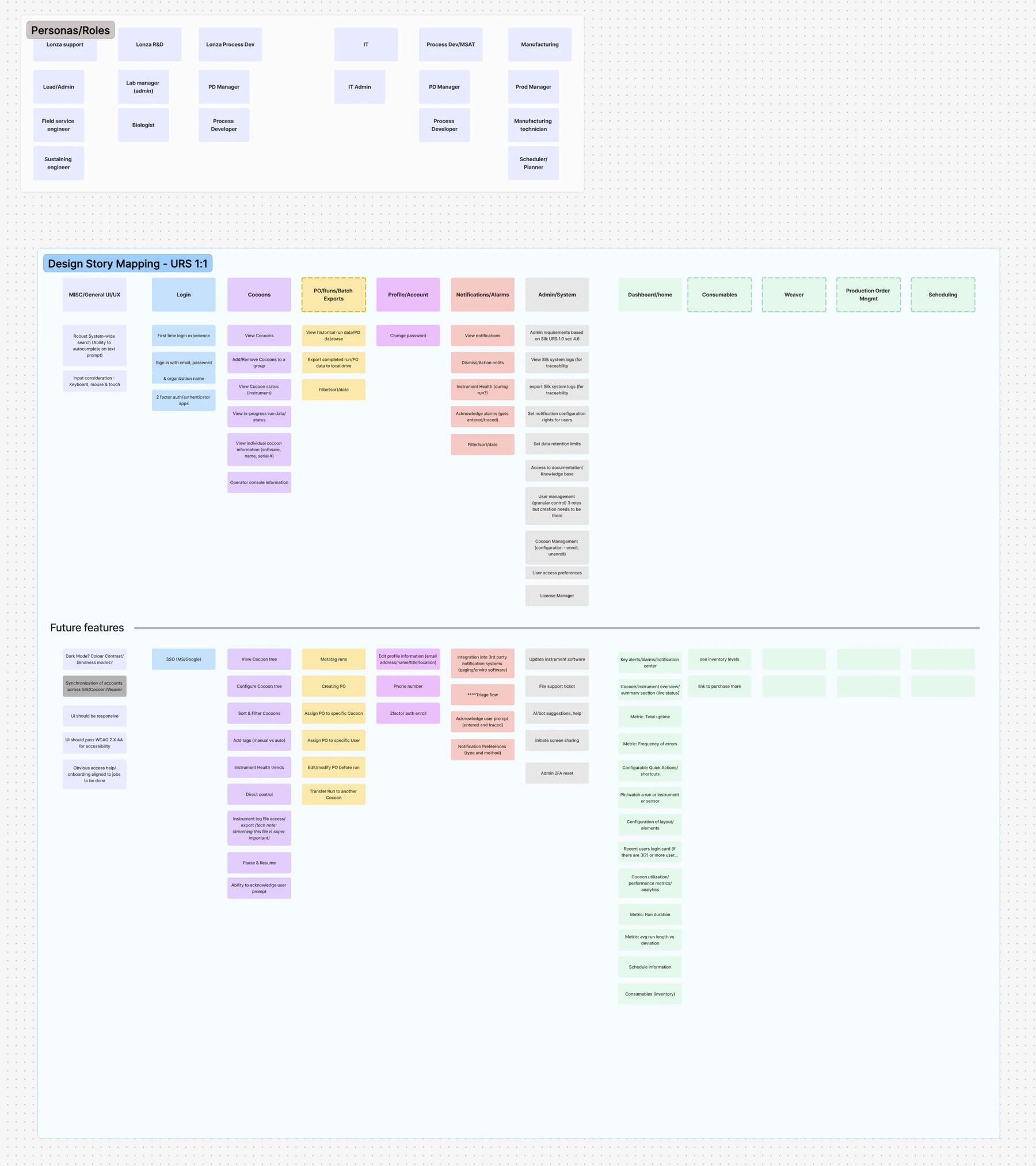
I used a story map to settle the MVP, then designed to it.
Stakeholders disagreed about priorities, and the team building it was external. I ran story-mapping sessions to set the MVP scope and feature priorities, then held weekly reviews to confirm direction and close open questions.
Approach
The work was about structure, agreement and follow-through. I:
- Ran story-mapping sessions to define MVP scope and feature priorities
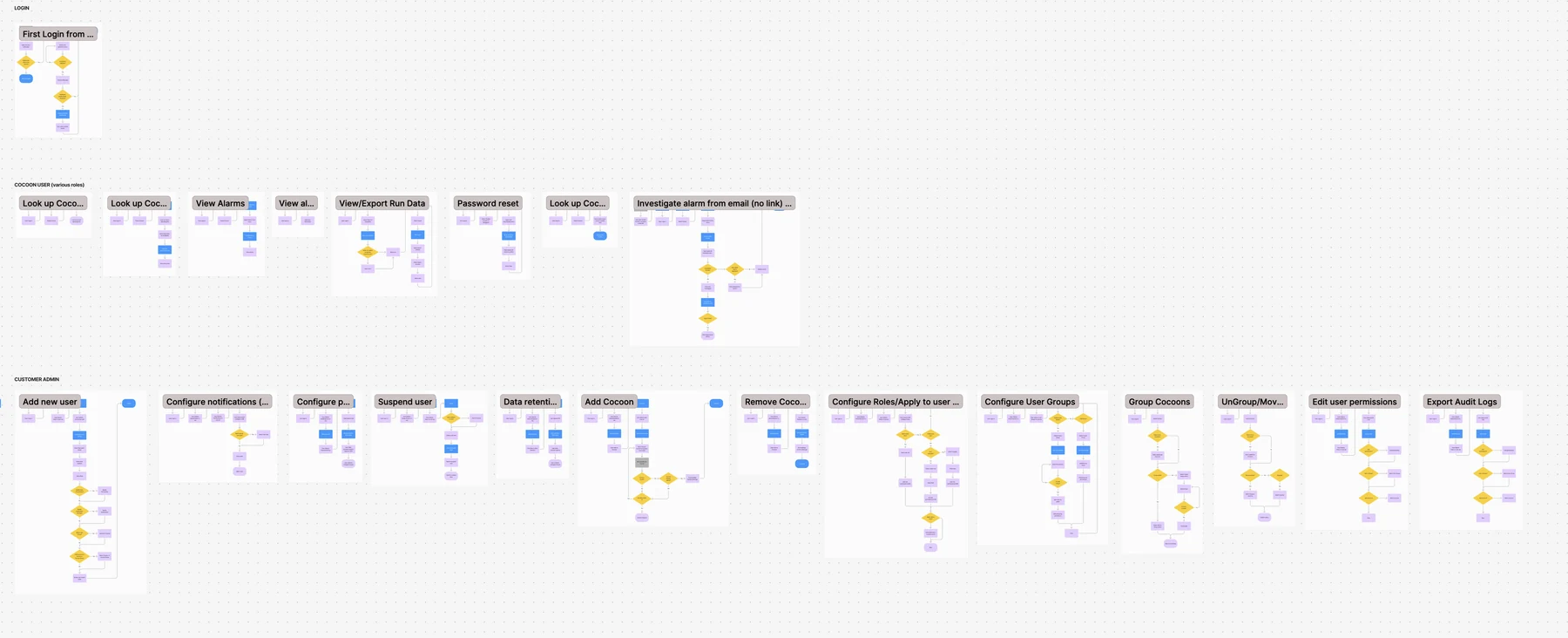
- Set the core user flows that anchored every design decision
- Held weekly stakeholder reviews to confirm direction and resolve open questions
- Designed and revised concepts on continuous feedback
I owned the design from start to finish, so flows, screens and system states stayed consistent.
Solution
What I delivered:
MVP definition and user flows
- A defined MVP story map and core user flows
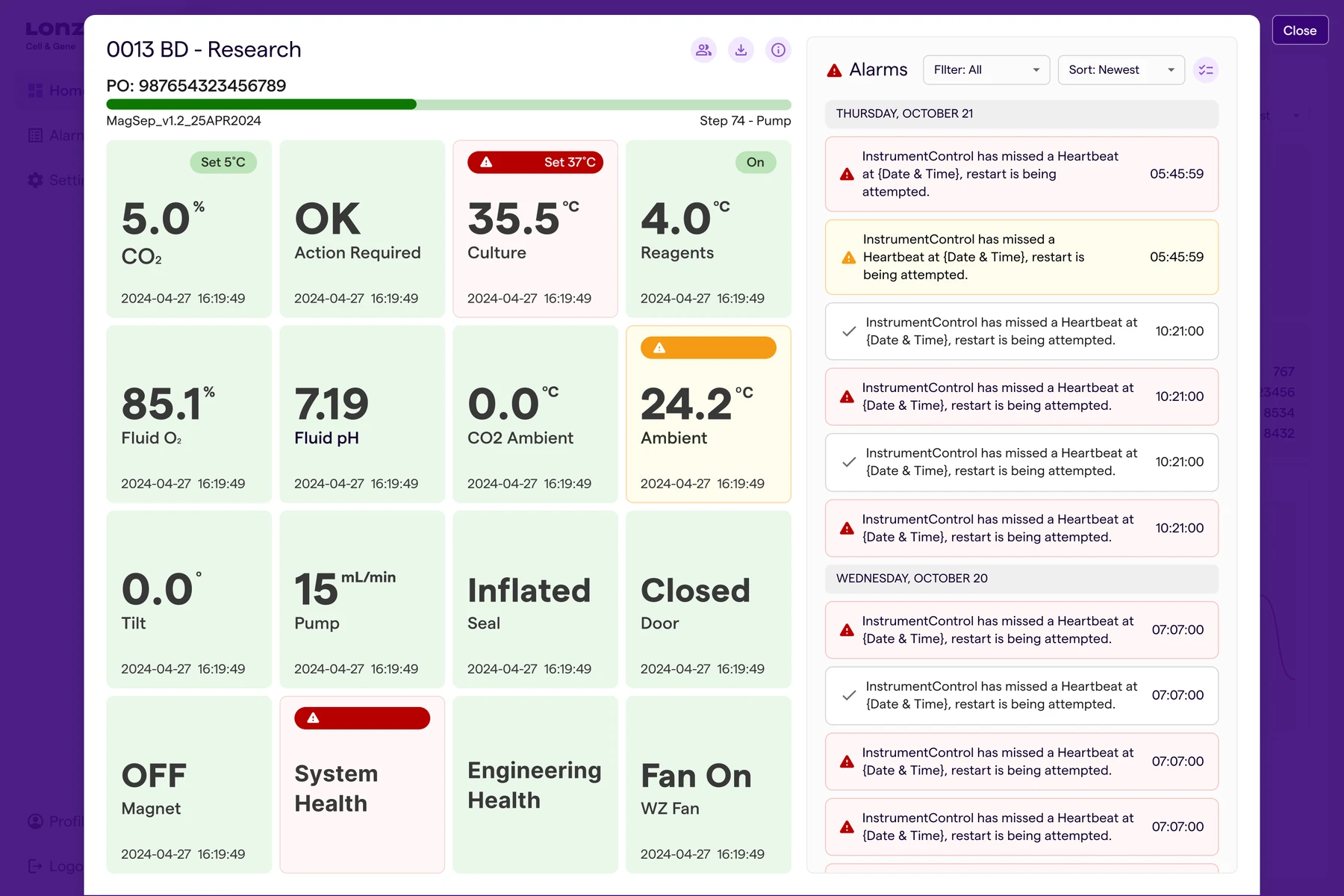
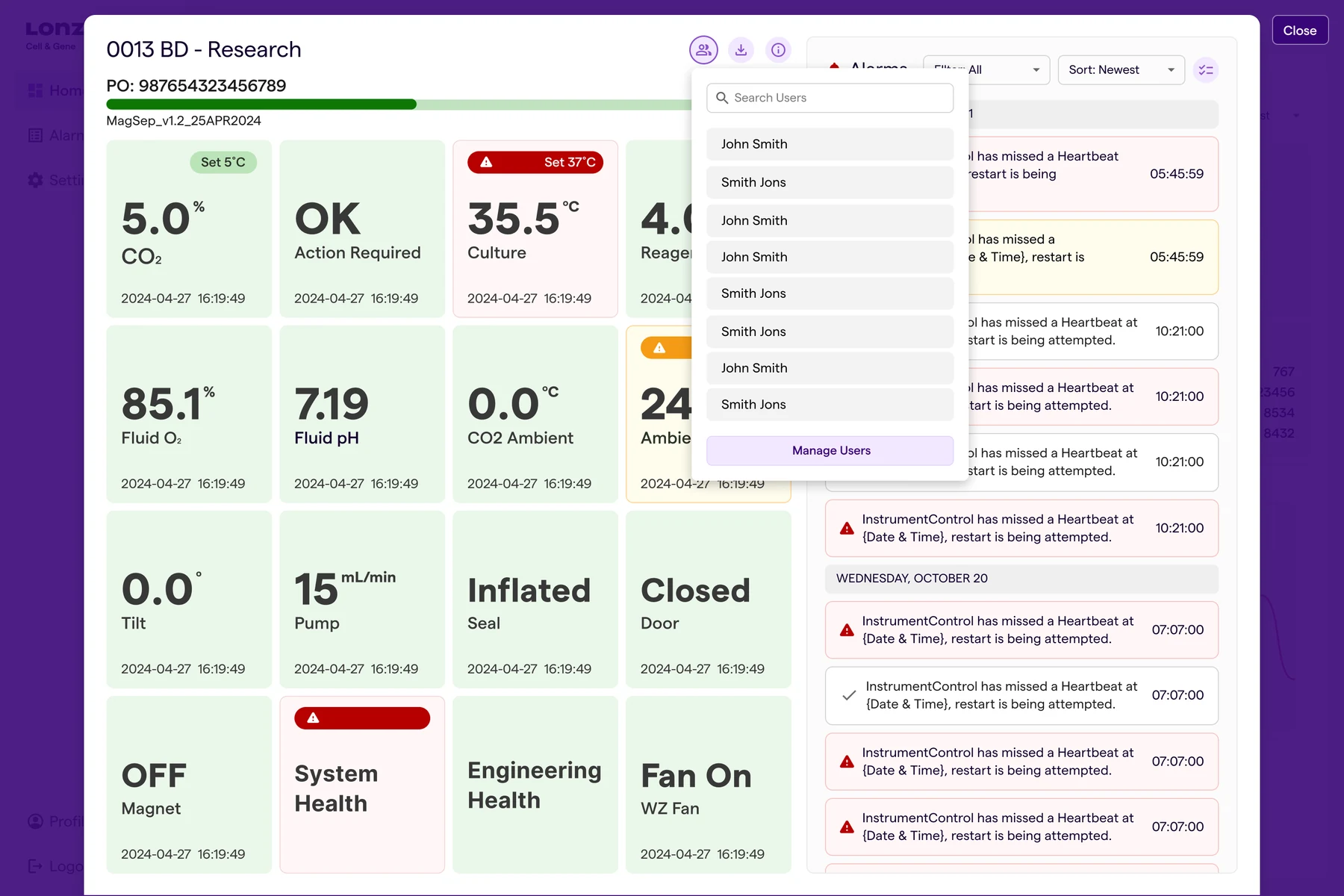
- High-fidelity UI designs for the main scenarios and the edge cases
- An interactive prototype of realistic, complete workflows
- A structured handoff package built for an external development team
System design
The designs covered empty states, error handling and system feedback explicitly, so the build team had less to interpret.
The design system kept every screen and state consistent, which made implementation straightforward for the developers.
Outcome
- A development-ready design, handed over with little left open
- A clean handover to the external engineering team
- Scope, timeline and stakeholder expectations stayed aligned for the full six months
Discuss this case study with you?
I'd be happy to walk through this project in more detail and discuss how this approach might apply to your needs.